Primary Care · 6 min read
Does Insurance Cover Your Annual Physical? What to Know
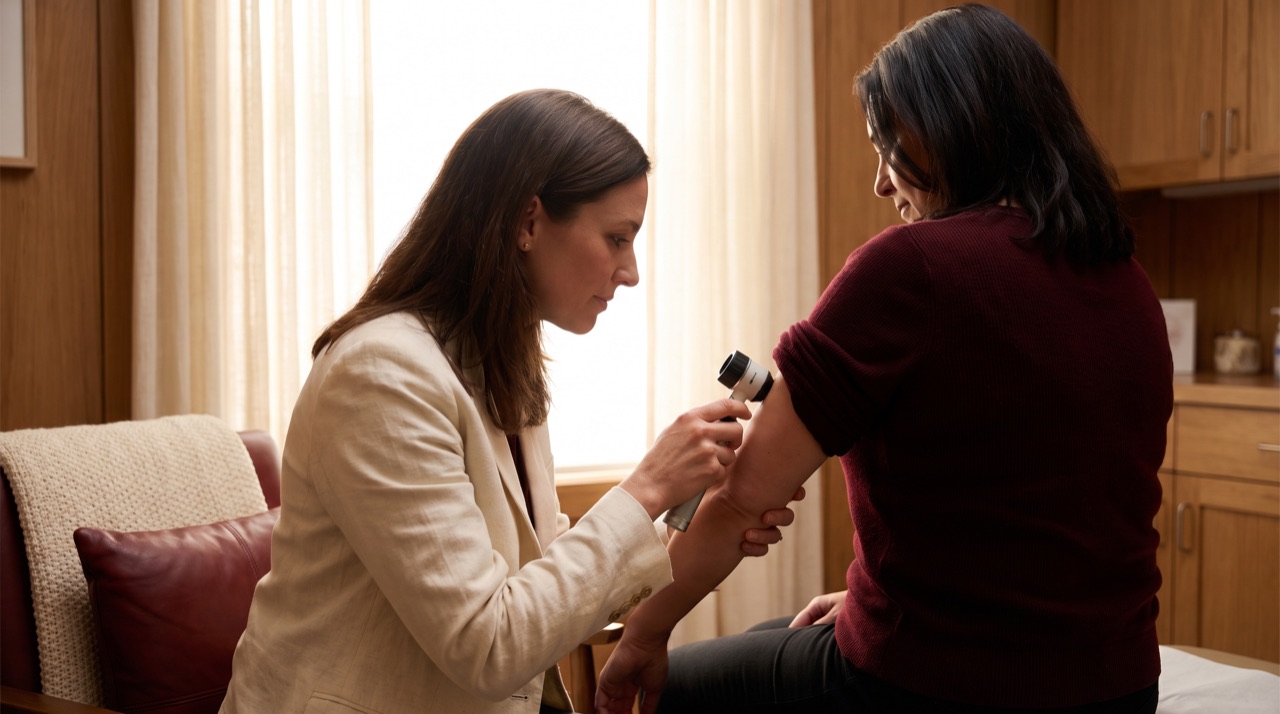
Preventive visits and problem-focused visits are billed differently, and understanding the distinction avoids surprise costs after an annual physical.
Dr. Jezwah Harris · September 10, 2026
An annual physical scheduled as a preventive visit is generally covered by insurance at no cost-sharing, but a surprising number of people end up with an unexpected bill afterward, and the reason usually comes down to a billing distinction that is not always explained clearly beforehand.
The core distinction: preventive versus problem-focused
Insurance billing treats "preventive care," a routine check-up with no specific complaint being investigated, differently from "problem-focused" care, where a specific symptom or health concern is being actively evaluated and addressed. A visit coded entirely as preventive is generally covered at no cost-sharing under most major plans, following requirements that stem from preventive care mandates. A visit, or portion of a visit, coded as addressing a specific problem is billed more like a standard office visit, which may involve a copay, coinsurance, or apply toward a deductible depending on your specific plan.
Why this creates unexpected bills
The scenario that catches people off guard: you go in for a routine annual physical, and during the visit, you mention a new symptom, ask about a specific ongoing concern, or your clinician identifies and addresses something requiring evaluation beyond the standard preventive screening. If that portion of the visit is substantive enough to be separately documented and billed, some plans will bill it as a problem-focused visit alongside the preventive visit, resulting in a bill for that portion even though the visit was originally scheduled as your "free" annual physical.
This is not a mistake or overbilling in most cases. It reflects how insurance actually defines and separates preventive versus diagnostic or problem-focused care, a distinction that is not always intuitive or clearly communicated in advance.
What you can reasonably do about it
If you know ahead of time that you want to discuss a specific new symptom or an ongoing condition during your annual physical, it is reasonable to ask your clinician's office beforehand how that portion of the visit is likely to be coded, so you are not surprised afterward. This does not mean avoiding bringing up real health concerns to save money, a concern worth raising is worth raising, but knowing in advance how billing works removes the surprise element.
Medicare's specific structure
Medicare distinguishes between the "annual wellness visit," focused on a health risk assessment and preventive planning, and a comprehensive physical exam, with somewhat different coverage rules for each, and further nuances around how an additional problem addressed during either visit type gets billed. If you are on Medicare, confirming which visit type is scheduled, and how an additional concern would be handled, is worth a direct question to your clinician's office.
Preventive labs generally follow the same logic
Labs ordered as part of standard, guideline-recommended preventive screening are generally covered at no cost-sharing under most plans. Labs ordered specifically to investigate a new symptom identified during the visit may be billed under the problem-focused portion instead, following the same underlying distinction.
Getting clarity before, not after
Understanding this preventive-versus-problem-focused distinction, and asking your clinician's office directly if you are unsure how a specific visit will be coded, is the most reliable way to avoid an unexpected bill after what you expected to be a fully covered annual physical. Most major insurance plans, including Medicare, cover the preventive-coded portion of this visit in full.
Questions
Is an annual physical always fully covered with no cost-sharing?
A preventive-coded annual visit is generally covered at no cost-sharing under most major plans, but if a specific problem is addressed and billed separately during that same visit, that portion may carry a cost.
Why would I get billed after a visit I thought was 'free'?
This typically happens when a new or ongoing health concern is discussed and addressed during the visit beyond routine preventive screening, which insurers may bill as a separate problem-focused service.
Can I ask my clinician's office how a visit will be coded beforehand?
Yes, and this is a reasonable question to ask, particularly if you know you want to discuss a specific new symptom or ongoing condition during what is scheduled as a preventive visit.
Does Medicare use the same coverage rules as commercial insurance for this?
Medicare has its own specific structure, distinguishing an annual wellness visit from a routine physical exam, and coverage details differ somewhat from commercial insurance, worth confirming directly.
Are preventive labs ordered during the visit covered the same way?
Labs ordered as part of standard preventive screening (recommended by the USPSTF, for example) are generally covered at no cost-sharing; labs ordered to investigate a specific new symptom may be billed differently.