Dermatology · 5 min read
Rosacea: What Triggers It and What Actually Treats It
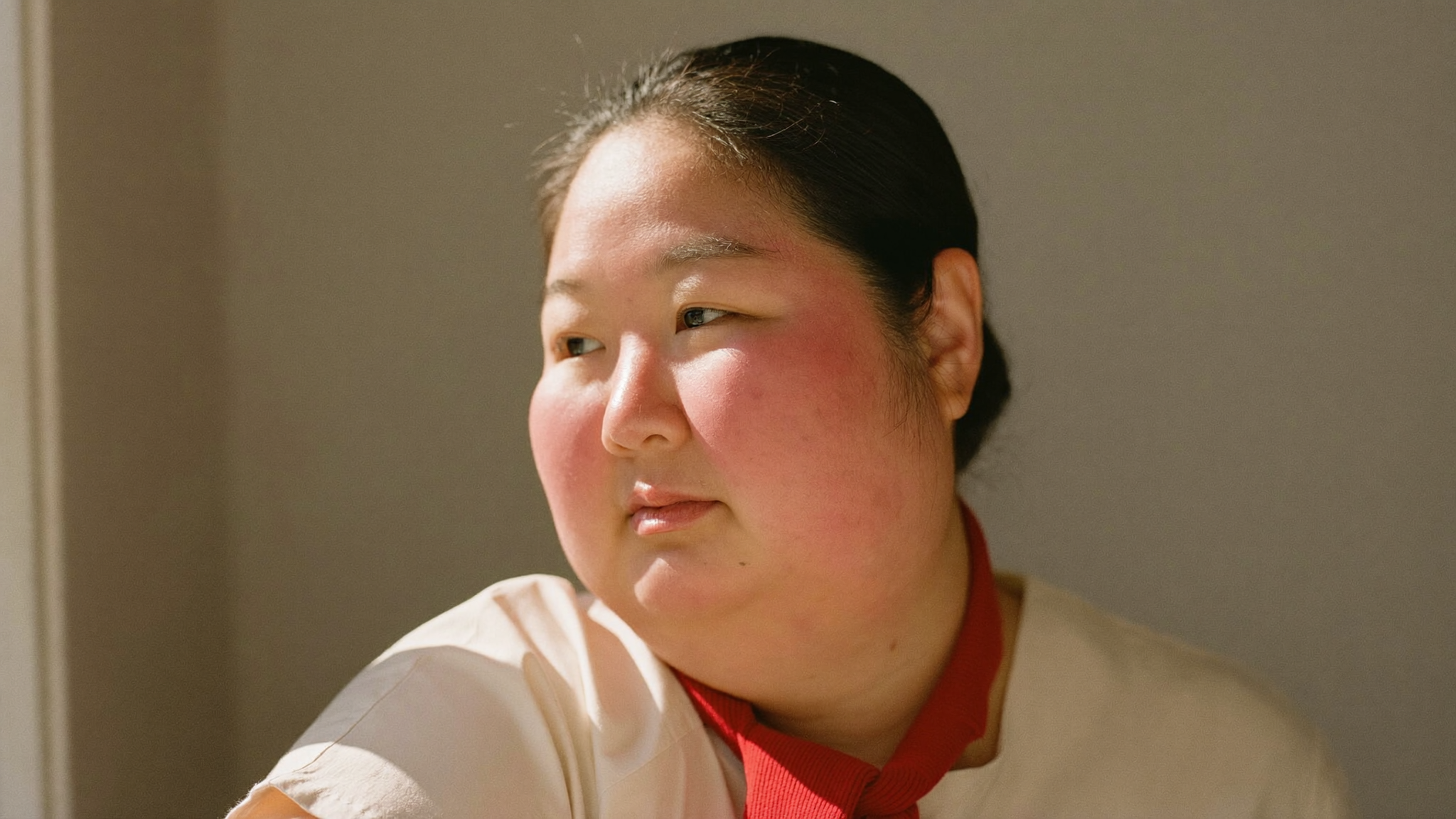
Rosacea causes facial redness and flare-ups triggered by sun, heat, alcohol, and stress. Here's what actually calms it, from topicals to oral treatment.
Dr. Jezwah Harris · September 16, 2026
If your face flushes easily and the redness sometimes just doesn't fade, you might be dealing with more than sensitive skin. Rosacea is a common, chronic facial skin condition that causes redness, visible blood vessels, and sometimes small bumps or pimples across the cheeks, nose, chin, and forehead. It affects adults of all skin tones, though it can look different from person to person, and it tends to wax and wane rather than show up as a single flare that clears for good. The good news is that once it's identified correctly, rosacea responds well to treatment. The tricky part is that it's often mistaken for adult acne, an allergic reaction, or "just getting red easily," which can delay getting a plan that actually works.
What rosacea actually looks like
Rosacea isn't one single pattern. Some people mostly notice flushing and persistent redness with visible small blood vessels (telangiectasia), especially across the cheeks and nose. Others develop small red bumps and pus-filled pimples that look similar to acne, but without the blackheads and whiteheads that acne usually has. A smaller group develops thickened, bumpy skin, most often on the nose, from long-standing inflammation. Rosacea can also affect the eyes, causing dryness, irritation, or a gritty feeling, which is easy to miss if you're only looking at the skin. A clinician sorts out which pattern (or combination of patterns) you have, because that's what determines the right treatment (Anzengruber, 2017).
What sets off a flare
Rosacea doesn't have one single cause, but it does have well-documented triggers that make flushing and inflammation worse in people who already have it. The most consistently reported ones include sun exposure, heat, hot drinks, alcohol (especially red wine), spicy food, intense exercise, and emotional stress (van Zuuren, 2017). None of these trigger rosacea in someone who doesn't have it, and triggers vary a fair amount from person to person, so a food or habit that flares your skin might not bother someone else with the same diagnosis. Keeping a simple log of flares alongside what you ate, drank, or did that day for a few weeks is often the fastest way to find your personal pattern, and it's something we can help you interpret.
It's also worth separating triggers from causes. Avoiding every trigger on the list won't make rosacea go away on its own, because the underlying condition involves blood vessel reactivity and immune signaling in the skin, not just an external irritant. Trigger management reduces how often and how badly you flare; it isn't a substitute for treating the condition itself.
Topical treatments that work
For milder rosacea, especially the bumps-and-pimples type, topical medication is usually the first step. Topical metronidazole and azelaic acid both have solid evidence behind them and are considered first-line options. Topical ivermectin, which also has anti-inflammatory and anti-mite properties, has performed at least as well as metronidazole in head-to-head data and has strong evidence of its own (van Zuuren & Fedorowicz, 2015). These are typically used once or twice daily and take a few weeks of consistent use before you see the full effect, so it's normal not to notice a dramatic change in the first week.
When redness itself is the problem
Persistent facial redness, separate from bumps or pimples, is its own treatment target. Two topical medications, brimonidine and oxymetazoline, work by temporarily narrowing blood vessels near the skin's surface, which reduces visible redness for several hours at a time. Clinical trial data shows this effect is real and measurable, and combining a vasoconstrictor with an anti-inflammatory topical like ivermectin performs better than either one alone for people with both redness and bumps (Gold et al., 2017). These medications treat the appearance of redness rather than the underlying inflammation, so they're often used alongside, not instead of, another treatment.
Oral treatment for more inflamed rosacea
When topical treatment isn't enough, or rosacea is more moderate to severe, a low-dose oral antibiotic is often added, not primarily for its antibacterial effect, but for its anti-inflammatory one. Low-dose doxycycline (40 mg) is the most studied option and has performed well against placebo, and combining it with topical ivermectin produces faster, more complete improvement than either alone in randomized trial data (Schaller et al., 2019). A newer low-dose minocycline formulation has also shown strong results against both placebo and doxycycline in recent phase 3 trials, giving clinicians another option when the standard approach doesn't fit (Bhatia et al., 2025). In more resistant, hard-to-treat cases, low-dose isotretinoin is sometimes used under close supervision.
Building a plan that lasts
Medication does most of the work, but a few daily habits make treatment more effective and flares less frequent. Daily sunscreen matters more for rosacea than almost any other skin condition, since sun exposure is one of the most consistent triggers. A gentle, fragrance-free cleanser and moisturizer help protect an already-irritated skin barrier, and avoiding harsh scrubs or high-strength actives (like strong retinoids or exfoliating acids) while rosacea is active prevents adding fuel to the fire. None of this replaces medical treatment, but it does make the medical treatment work better and last longer.
It also helps to have realistic expectations about the timeline. Topical treatments usually need four to twelve weeks of steady use before you can judge whether they're working, and oral treatment for more inflamed rosacea tends to show change a bit faster, often within a few weeks. Rosacea is a chronic condition, which means most people do best with an ongoing maintenance plan rather than a short course of treatment that stops once the skin looks calm.
If your face stays red, flushes easily, or you're noticing bumps that don't respond to acne products, it's worth getting an actual diagnosis rather than guessing. Rosacea is manageable, but the right treatment depends on which pattern you have. Stonewood offers medical dermatology care for rosacea and other skin conditions by telehealth appointment, and most major plans are accepted, including Medicare. You can learn more or get started at /conditions/dermatology.
Questions
Is rosacea the same thing as acne?
No. Rosacea can cause red bumps and pimples that look similar to acne, but it doesn't produce blackheads or whiteheads and it involves background redness and visible blood vessels that acne doesn't. Treating rosacea with standard acne products often makes it worse, so getting the right diagnosis matters.
Can rosacea be cured?
There's no cure, but rosacea is very manageable. Most people see significant improvement in redness and bumps with the right combination of topical or oral treatment, and staying on a maintenance plan keeps flares less frequent and less severe over time.
Does diet actually cause rosacea flares?
Diet doesn't cause rosacea, but certain foods and drinks, especially alcohol, spicy food, and hot beverages, are common triggers that can bring on a flare in someone who already has the condition. Triggers vary from person to person, so tracking your own pattern is more useful than following a generic list.
Will sunscreen actually help my rosacea?
Yes. Sun exposure is one of the most consistently reported rosacea triggers, so daily sunscreen is one of the simplest, highest-impact things you can do alongside medical treatment.
How long until treatment starts working?
Topical treatments typically need four to twelve weeks of consistent use before you can judge the effect. Oral treatment for more inflamed rosacea often shows change a bit sooner, sometimes within a few weeks.
Can men get rosacea, or is it mostly a women's condition?
Men get rosacea too, and it's sometimes underdiagnosed in men because persistent facial redness can be mistaken for sun damage, windburn, or just having ruddy skin. Men are also more likely to develop the thickened-skin form of rosacea.
Is rosacea contagious or caused by poor hygiene?
No to both. Rosacea isn't contagious and it isn't caused by not washing your face enough. It's related to how blood vessels and the immune system behave in the skin, and over-washing or scrubbing the skin tends to make it worse rather than better.
Sources
- van Zuuren EJ. Rosacea. N Engl J Med. 2017;377(18):1754-1764.
- van Zuuren EJ, Fedorowicz Z. Interventions for rosacea: abridged updated Cochrane systematic review including GRADE assessments. Br J Dermatol. 2015;173(3):651-662.
- Anzengruber F, et al. Swiss S1 guideline for the treatment of rosacea. J Eur Acad Dermatol Venereol. 2017;31(11):1775-1791.
- Gold LS, et al. Treatment of Rosacea With Concomitant Use of Topical Ivermectin 1% Cream and Brimonidine 0.33% Gel: A Randomized, Vehicle-controlled Study. J Drugs Dermatol. 2017;16(9):909-916.
- Schaller M, et al. A randomized phase 3b/4 study to evaluate concomitant use of topical ivermectin 1% cream and doxycycline 40-mg modified-release capsules versus topical ivermectin 1% cream and placebo in the treatment of severe rosacea. J Am Acad Dermatol. 2019;82(2):336-343.
- Bhatia N, et al. Efficacy, Safety, and Tolerability of Oral DFD-29, a Low-Dose Formulation of Minocycline, in Rosacea: Two Phase 3 Randomized Clinical Trials. JAMA Dermatol. 2025;161(5):499-507.
- American Academy of Dermatology. Rosacea: Diagnosis and treatment.