Rosacea
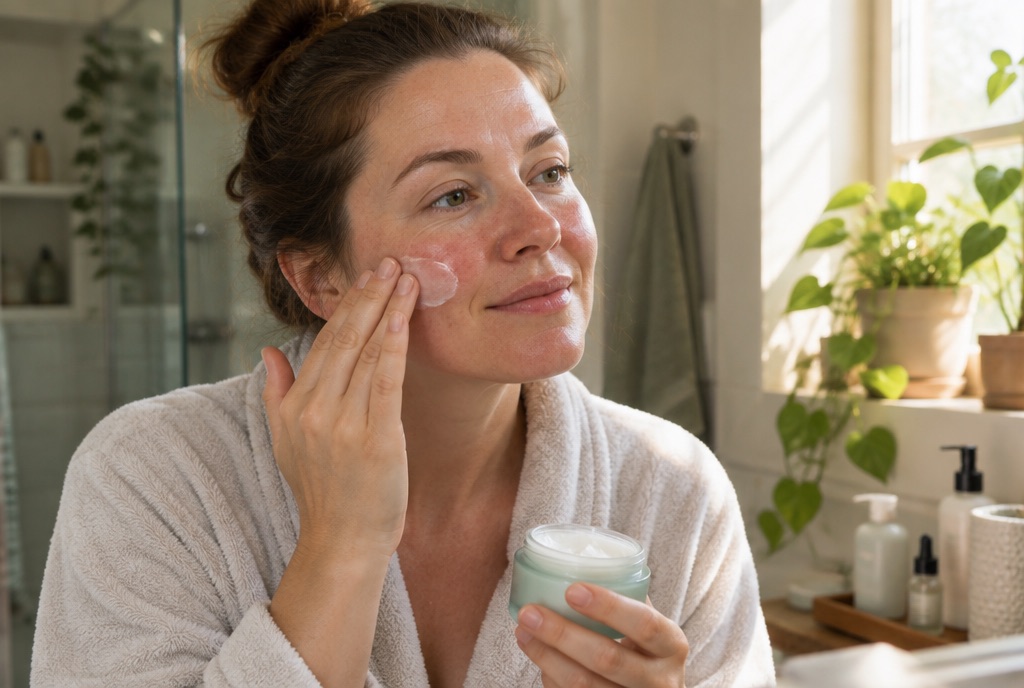
Rosacea is a chronic facial redness condition classified by subtype/phenotype, per the ROSCO/National Rosacea Society classification.
Symptoms
Persistent facial redness (especially cheeks, nose, forehead, chin) that periodically intensifies, sometimes with visible blood vessels, papules and pustules, thickened skin (phyma), or eye irritation.
Causes and risk
The exact cause isn't fully understood, but abnormal blood vessel and immune responses in the skin are involved; sun exposure, heat, alcohol, spicy food, and stress are common triggers rather than root causes.
How it is evaluated
Diagnosis is clinical -- persistent central facial redness or phyma-type skin changes are each independently diagnostic; biopsy is reserved for excluding other conditions.
Treatment
Topical brimonidine or oxymetazoline treat the redness itself; topical ivermectin, metronidazole, or azelaic acid are first-line for the papules and pustules, with ivermectin generally most effective. Modified-release 40 mg doxycycline is the only FDA-approved oral option, matching the efficacy of a full 100 mg dose with fewer GI side effects, per current dermatology practice. Low-dose isotretinoin is reserved for refractory or severe cases.
When to seek care
Moderate-to-severe eye symptoms or any change in vision need prompt ophthalmology referral -- ocular rosacea can, rarely, threaten vision if untreated.