Acne
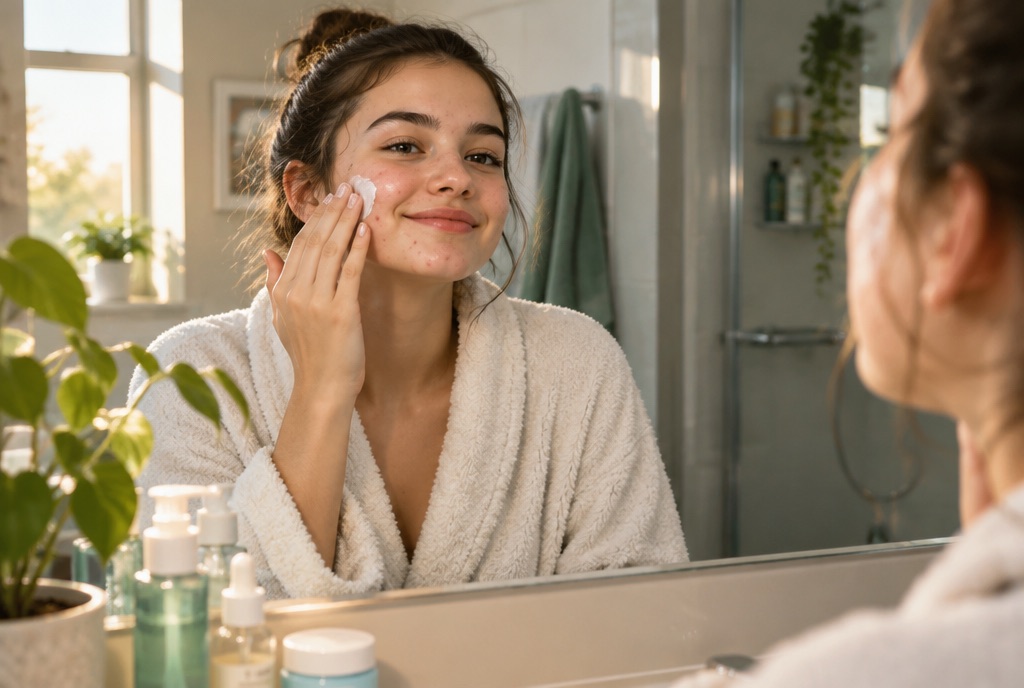
Acne vulgaris is a common inflammatory skin condition involving hair follicles and oil glands, managed per the AAD Guidelines of Care for the Management of Acne Vulgaris.
Symptoms
Blackheads and whiteheads (comedones), red inflamed papules and pustules, and in more severe cases, deeper nodules and cysts, most often on the face, chest, and back.
Causes and risk
Excess oil production, clogged follicles, bacteria (Cutibacterium acnes), and inflammation all interact; hormonal shifts (puberty, menstrual cycles, PCOS) commonly trigger or worsen it.
How it is evaluated
Diagnosis is clinical, based on lesion type and distribution. Severity (mild, moderate, severe) guides the treatment approach.
Treatment
Benzoyl peroxide, topical retinoids, and topical or oral antibiotics carry strong AAD recommendations for mild-to-moderate acne. Isotretinoin is strongly recommended for severe or treatment-resistant acne. Spironolactone and combined oral contraceptives are conditionally recommended, particularly useful for adult women with a hormonal pattern.
When to seek care
Sudden severe acne with fever and joint pain (acne fulminans) needs prompt dermatologic care. Isotretinoin carries pregnancy and mood-related warnings worth discussing directly with your prescriber before starting.